
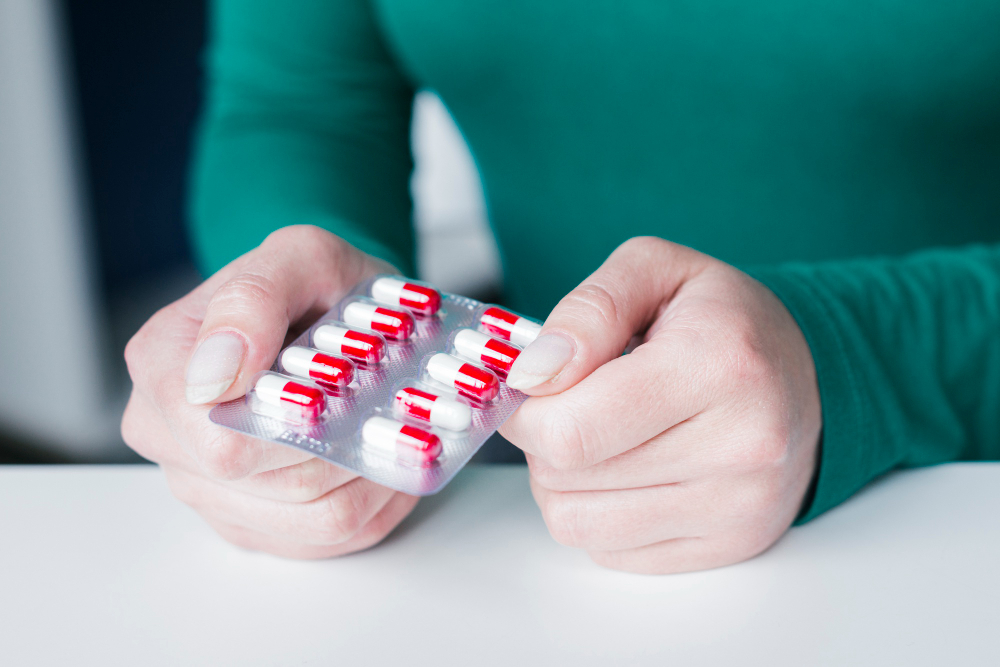
What is Growth Hormone Deficiency?
Growth hormone deficiency happens when the body does not make enough growth hormone. This hormone helps children grow and supports health in adults. Without enough, children may grow slowly. Adults might feel tired or weak. In recent years, modern treatments for growth hormone deficiency have improved care for many people.
Symptoms and Diagnosis
Often, symptoms can be mild at first. However, they may become more noticeable over time. Early diagnosis is important for better results. Common symptoms include:
Doctors use blood tests to check hormone levels. Sometimes, they use special tests to see how the body reacts to certain medicines. Imaging tests like MRI can help find causes in the brain.
Causes and Risk Factors
There are many reasons why someone may have growth hormone deficiency. For example, some people are born with it. Others develop it later in life. Common causes and risk factors include:
While some causes cannot be prevented, early care can help manage symptoms.
Modern Treatments for Growth Hormone Deficiency
Today, there are several growth hormone deficiency treatment options. The latest growth hormone therapies offer better results and fewer side effects. Traditionally, daily growth hormone injections were the main treatment. Now, new advances in hormone therapy have led to longer-acting options. For example, some treatments only need weekly injections instead of daily ones. This makes it easier for patients to follow their treatment plans.
Globally, these new therapies are becoming more available. According to the CDC and recent medical journals, these advances help improve quality of life for many people.
Benefits and Risks of New Therapies
Modern treatments offer many benefits. For instance, they can help children reach normal height. Adults may feel more energetic and stronger. However, all treatments have risks. Possible side effects include:
Doctors monitor patients closely to reduce risks. Still, most people tolerate these new advances in hormone therapy well. Always talk to your doctor about any concerns.
Lifestyle Tips and Patient Guidance
Besides medicine, healthy habits can help. For example, eating a balanced diet supports growth and energy. Regular exercise keeps muscles and bones strong. Good sleep helps the body heal and grow. In addition, staying in touch with your healthcare team is important. They can adjust your treatment as needed.
Prevention and Early Detection
While not all cases can be prevented, early detection helps. Parents should watch for slow growth in children. Adults should note changes in energy or strength. If you notice symptoms, see a doctor soon. Early treatment leads to better results. In the United States, regular check-ups help find problems early.
Frequently Asked Questions
For the best care, consult a qualified endocrinologist at SRI SAI SUPER SPECIALITY DIABETES AND ENDOCRINE CENTRE for personalized advice on growth hormone deficiency treatments.