
What is Prediabetes?
Prediabetes means your blood sugar is higher than normal but not high enough for diabetes. Many people have prediabetes and do not know it. However, early action can help you avoid type 2 diabetes. According to the CDC, over 1 in 3 adults in the United States have prediabetes. The good news is that prediabetes is a reversible condition. With the right steps, you can return your blood sugar to a healthy range.
Symptoms and Warning Signs
Often, prediabetes does not cause clear symptoms. Still, some people may notice warning signs. For example, you might feel more thirsty than usual. Or, you may need to urinate more often. Sometimes, you may feel tired or notice blurred vision. Because these signs are mild, many people miss them. Therefore, regular check-ups are important, especially if you have risk factors.
Causes and Risk Factors
Several things can raise your risk of prediabetes. For instance, being overweight is a major factor. Family history also matters. If your parents or siblings have diabetes, your risk is higher. Age plays a role too. People over 45 are more likely to develop prediabetes. In addition, a lack of physical activity increases your risk. Some ethnic groups, such as African Americans, Hispanics, and Asians, are also at higher risk.
Diagnosis and Testing
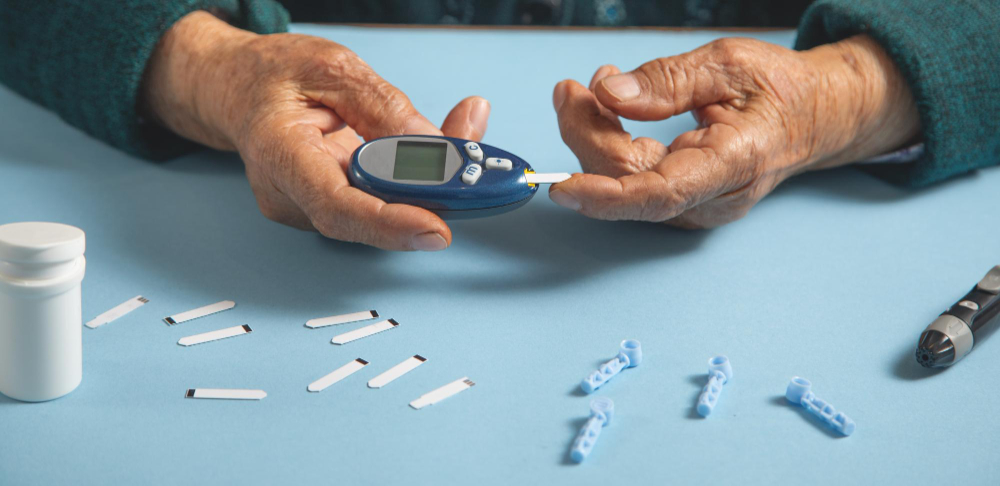
Doctors use simple blood tests to check for prediabetes. The most common tests are the fasting blood sugar test, the A1C test, and the oral glucose tolerance test. For example, a fasting blood sugar level between 100 and 125 mg/dL suggests prediabetes. An A1C level between 5.7% and 6.4% also points to prediabetes. If you have risk factors, ask your doctor about testing. Early diagnosis helps you take action before diabetes develops.
Treatment and Management
Prediabetes treatment focuses on healthy changes. Most people do not need medicine at this stage. Instead, doctors recommend lifestyle changes. For instance, losing just 5% to 7% of your body weight can make a big difference. Regular exercise helps your body use sugar better. Sometimes, your doctor may suggest medicine if you have other health problems. However, lifestyle changes remain the most effective way to reverse prediabetes.
Lifestyle Changes for Reversal
Many people ask how to reverse prediabetes. The answer is simple steps you can start today. First, eat a balanced diet rich in fruits, vegetables, and whole grains. Next, limit sugary drinks and processed foods. In addition, try to be active for at least 30 minutes most days. Even brisk walking counts. Losing extra weight is key. For some, joining a support group or working with a dietitian helps. Remember, small changes add up over time.
Prevention Tips
Preventing prediabetes is possible for most people. For example, stay active and keep a healthy weight. Eat balanced meals and avoid skipping breakfast. Also, drink water instead of sugary drinks. If you smoke, try to quit. Regular health check-ups help catch problems early. In some regions, local foods and traditions can support healthy eating. For instance, choose whole grains like brown rice or millet common in your area. Every step counts toward better health.
When to See a Doctor
If you notice early signs of prediabetes, talk to your doctor. Even if you feel fine, regular check-ups are important. Especially if you have risk factors, ask about blood sugar testing. Early action can prevent type 2 diabetes. Your doctor can guide you on the best steps for your health. Do not wait for symptoms to appear. Prevention and early care make a big difference.
In summary, prediabetes is a warning sign, but it is also a chance to make positive changes. With healthy habits, you can reverse prediabetes and protect your health. Consult a healthcare specialist at SRI SAI SUPER SPECIALITY DIABETES AND ENDOCRINE CENTRE for personalized advice on reversing prediabetes.