
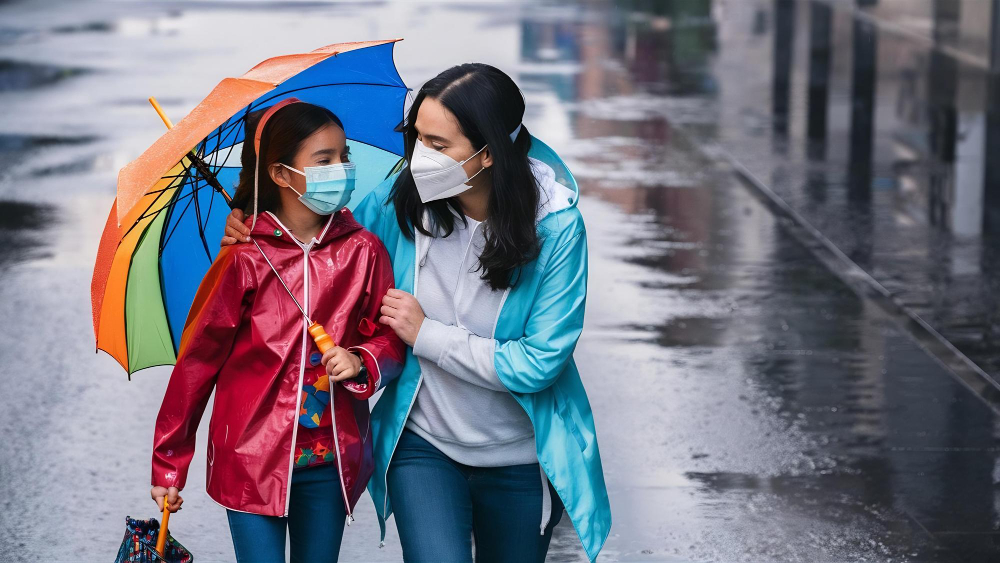
Introduction: Why Monsoon Increases Illness Risk in Children
Monsoon brings much-needed rain, but it also raises the risk of illness, especially in children. During this season, water collects in many places, which helps germs and mosquitoes grow. As a result, children become more likely to catch infections. Therefore, prevention of monsoon related illnesses in children is very important for parents and caregivers. In regions with heavy monsoon, extra care is needed to keep kids healthy and safe.
Common Monsoon Illnesses in Children
Many diseases become more common during the rainy season. Here are some illnesses that often affect children:
Because children have weaker immune systems, they are more at risk for these illnesses.
Symptoms to Watch For
Early detection helps prevent serious problems. Watch for these warning signs in your child:
If you notice any of these symptoms, act quickly and seek advice.
Causes and Transmission
Monsoon illnesses spread in different ways. For example, mosquitoes breed in standing water and spread dengue and malaria. Dirty water and food can carry bacteria that cause typhoid. Viruses spread easily in crowded places or through touch. Because rainwater can mix with drinking water, the risk of infection increases. In many cities, poor drainage makes the problem worse. Therefore, understanding how these illnesses spread helps you protect your child.
Prevention Tips for Parents
Parents can take simple steps to lower the risk of monsoon diseases. Here are some effective tips:
By following these steps, you can help prevent monsoon related illnesses in children.
When to See a Doctor
Sometimes, home care is not enough. Watch for these red-flag symptoms:
If your child shows any of these signs, seek medical help right away. Early treatment can prevent serious problems. According to the World Health Organization (WHO), timely care saves lives during outbreaks.
Lifestyle and Home Care for Immunity
Good daily habits help keep children healthy during the rainy season. For example, a balanced diet with fruits, vegetables, and protein boosts immunity. Make sure children get enough sleep and stay active indoors. Encourage handwashing before eating and after using the toilet. In addition, keep your home well-ventilated to reduce germs. If possible, avoid crowded places where viruses spread easily. These simple routines can make a big difference in your child’s health.
Conclusion: Key Points on Monsoon Illness Prevention
To sum up, the monsoon season brings extra health risks for children. However, with the right steps, you can protect your child from common diseases. Keep your surroundings clean, use safe water, and watch for warning signs. Early action and good hygiene are the best ways to prevent monsoon related illnesses in children.
Call-to-Action
For personalized guidance on monsoon illness prevention in children, consult SRI SAI SUPER SPECIALITY DIABETES AND ENDOCRINE CENTRE for expert pediatric and medical care. Get tailored advice from experienced specialists to help keep your child safe, healthy, and protected throughout the rainy season.