
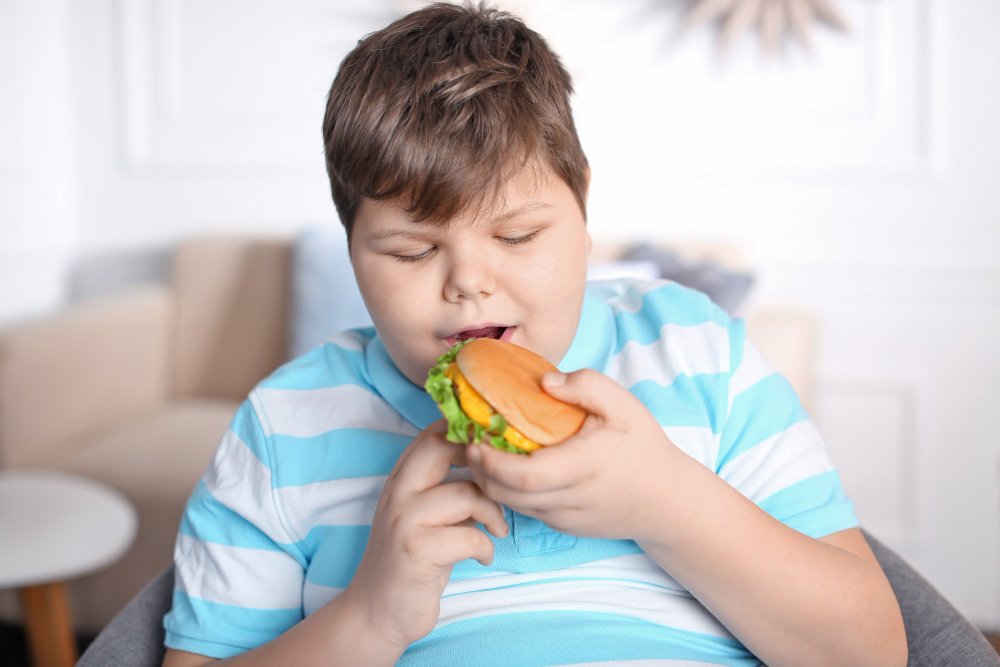
What is Childhood Obesity?
Obesity in children means having too much body fat for a child’s age and height. It is a growing health problem worldwide. According to the World Health Organization (WHO), childhood obesity rates have increased in recent years. Early action is important because obesity in children can lead to health issues later in life. For example, it can raise the risk of diabetes, heart disease, and joint problems. Many parents may not notice the signs at first. However, understanding what childhood obesity is can help families take steps to prevent it.
Common Symptoms and Warning Signs
Recognizing obesity in children early can make a big difference. While some signs are easy to spot, others may be less obvious. Here are common symptoms and warning signs:
Sometimes, children may not show all these signs. Still, if you notice a few, it is wise to talk to a doctor.
Major Causes and Risk Factors
Many things can lead to obesity in children. Often, it is not just one cause. Instead, several factors work together. Here are some of the most common causes and risk factors:
Because many factors are involved, it is important to look at the whole picture when addressing childhood obesity.
How Childhood Obesity is Diagnosed
Doctors use several steps to diagnose obesity in children. First, they measure the child’s height and weight. Then, they calculate the body mass index (BMI). BMI is a number that helps show if a child’s weight is healthy for their age and height. However, BMI alone is not enough. Doctors also look at growth charts and compare the child’s BMI to others of the same age and sex. In some cases, doctors may order blood tests to check for health problems linked to obesity, such as diabetes or high cholesterol. Early diagnosis helps families start healthy habits sooner.
Treatment Options and Lifestyle Changes
Treating obesity in children often means making changes as a family. While there is no quick fix, small steps can lead to big results over time. Here are some treatment options and lifestyle changes:
Sometimes, medical treatment may be needed for children with health problems related to obesity. However, most children benefit from healthy habits at home.
Prevention Tips for Parents and Caregivers
Preventing obesity in children starts with simple daily choices. Because habits form early, parents and caregivers play a key role. Here are some tips to help prevent childhood obesity:
Even small changes can help children stay healthy as they grow.
Frequently Asked Questions (FAQ)
Can a child outgrow obesity?
Sometimes, children may lose extra weight as they grow taller. However, most children need healthy habits to reach a healthy weight.
Is childhood obesity only caused by eating too much?
No, many factors can lead to obesity in children. These include genetics, lack of activity, and emotional issues.
How much exercise do children need?
The CDC recommends at least 60 minutes of physical activity each day for children.
Should I put my child on a diet?
Instead of strict diets, focus on healthy habits for kids. Always talk to a doctor before making big changes to your child’s eating plan.
Where can I find help?
Obesity in children is a serious health concern, but early action can make a difference. For personalized advice on managing or preventing obesity in children, consult a healthcare professional at SRI SAI SUPER SPECIALITY DIABETES AND ENDOCRINE CENTRE.