
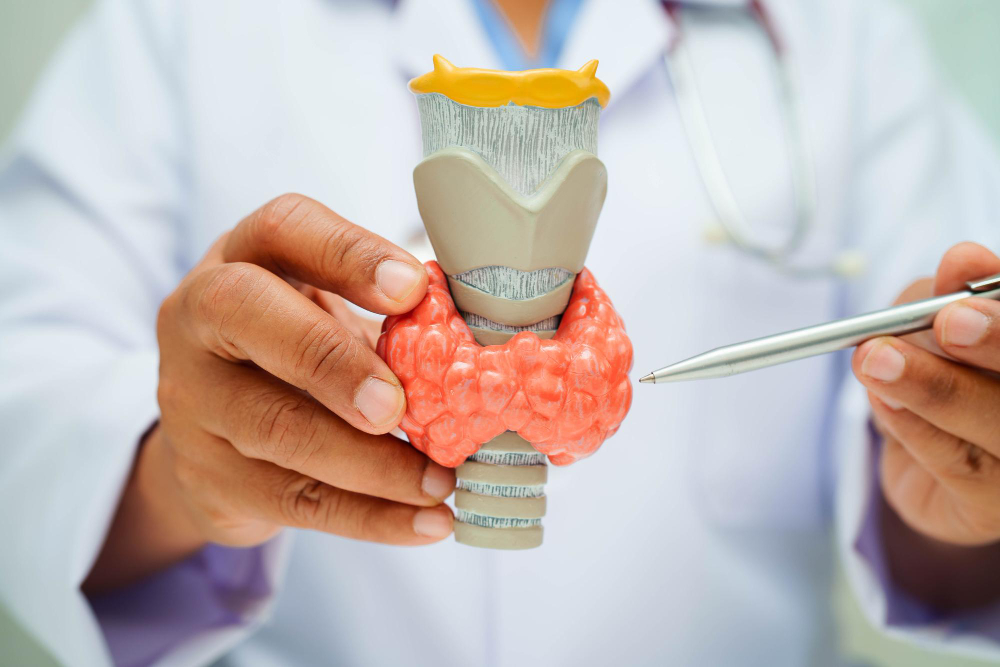
What Are Thyroid Nodules?
Thyroid nodules are lumps that form in the thyroid gland, which sits at the front of your neck. Often, these lumps are not harmful. However, sometimes they can signal a problem with your thyroid health. Because a lump in the neck can be easy to feel or see, many people notice it while looking in the mirror or touching their neck. Thyroid nodules are common, especially as people get older. According to the World Health Organization, most nodules are not cancerous. Yet, it is important to have any new lump checked by a doctor.
Common Symptoms of Thyroid Nodules
Many thyroid nodules do not cause symptoms. Still, some people may notice changes. For example, you might feel or see a lump in the neck. Sometimes, nodules can press on nearby structures. This can lead to:
In addition, some nodules make extra thyroid hormones. This may cause signs of thyroid nodules such as:
However, most people with thyroid nodules have no symptoms at all. Even so, regular check-ups are important for thyroid health.
Causes and Risk Factors
Several things can cause thyroid nodules. For instance, a simple overgrowth of normal thyroid tissue can form a lump. Sometimes, cysts filled with fluid develop. In rare cases, thyroid cancer may be the cause. Other possible causes include:
Additionally, women are more likely than men to develop thyroid nodules. Age also increases the risk. Because of these factors, it is wise to stay alert to any changes in your neck.
How Thyroid Nodules Are Diagnosed
Doctors use several steps to diagnose thyroid nodules. First, they will ask about your symptoms and health history. Next, they will examine your neck to feel for lumps. If a nodule is found, further tests may include:
Sometimes, doctors use a thyroid scan to see how the nodule works. Each step helps guide thyroid nodule evaluation and treatment. According to the CDC, most nodules are not cancerous, but proper testing is key.
Treatment Options for Thyroid Nodules
Treatment depends on the type and cause of the thyroid nodule. In many cases, no treatment is needed if the nodule is small and not causing problems. Instead, doctors may suggest regular check-ups. However, if the nodule is large, causes symptoms, or is cancerous, treatment options may include:
For example, surgery is often recommended if cancer is found. Each treatment plan is tailored to your needs. Your doctor will explain the best options for your thyroid health.
When to See a Doctor
If you notice a lump in your neck, it is important to see a doctor. Even if you feel well, a new lump should be checked. You should also seek care if you have:
Because early evaluation can help find problems sooner, do not wait to get checked. Thyroid nodule evaluation is safe and usually quick.
Tips for Monitoring and Prevention
While you cannot always prevent thyroid nodules, you can take steps to protect your thyroid health. For example, you can:
Additionally, keeping a healthy lifestyle supports your overall well-being. If you have questions about thyroid nodules or thyroid nodule evaluation,consult at SRI SAI SUPER SPECIALITY DIABETES AND ENDOCRINE CENTRE